
Eduardo Lan
I was twenty-something, running a warehouse in a bus factory in Mexico, watching how people got treated. The question I asked myself then is still the whole practice.
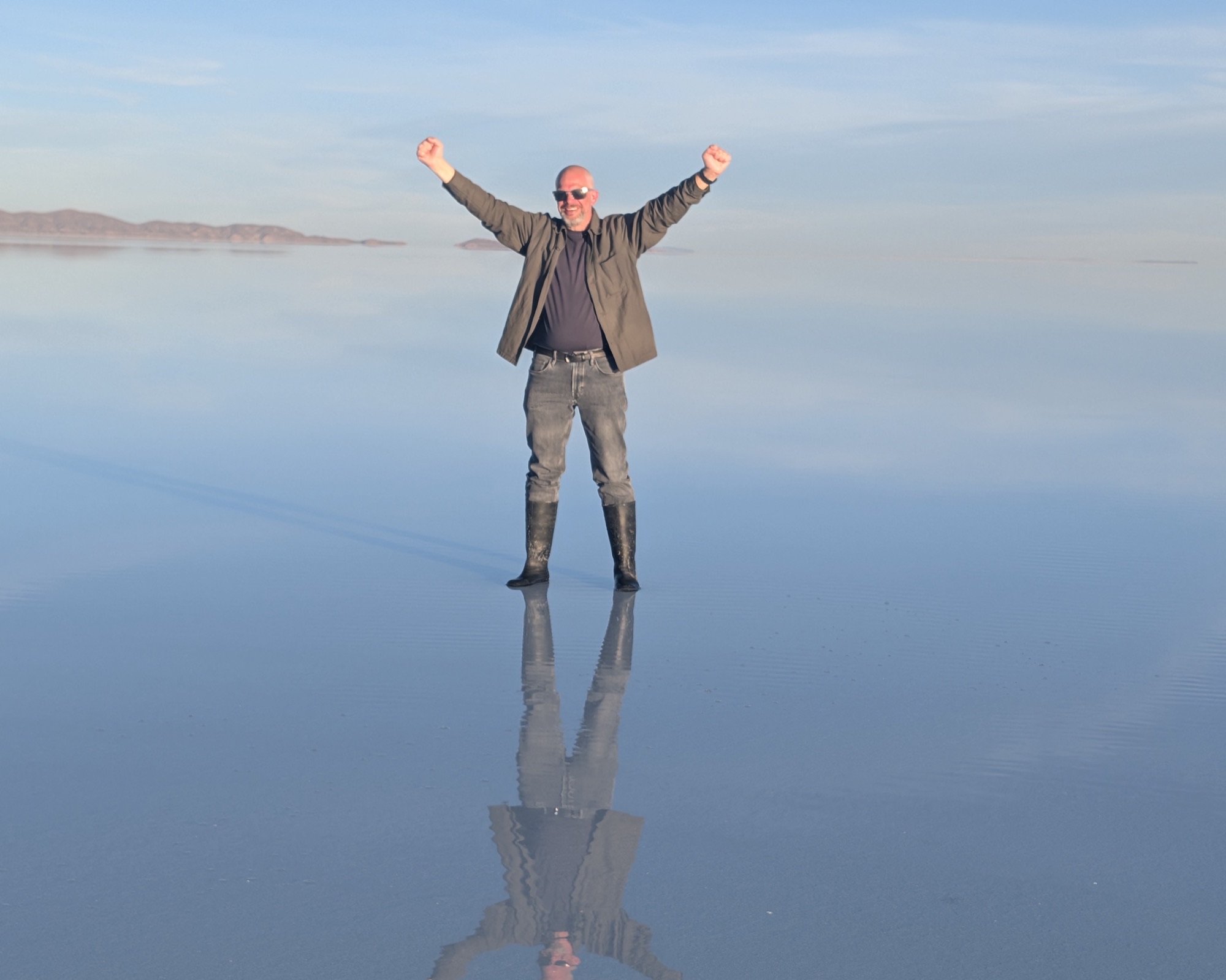
I didn't start out as a consultant.
The receiving warehouse was mine to run. I was being groomed to be a director, and I was good at the job: keep the floor moving, keep the people in line.
It wasn't a great place. People were shouted at. People were disrespected. The work got done, and that was the only metric we kept.
If people got hurt, they got replaced.
Then I started watching the operators. What it cost them to keep working the way we kept asking. And I asked myself a question.
There has to be another way to do business and treat people well.The question that started the work
People will comply out of fear. Everyone needs their job. But fear-based compliance falls apart the moment the pressure comes off.
What holds is different: people who feel seen and heard, who can tell their contribution matters. That's when the work gets done and stays done. The question has an answer. The job now is helping people build for it.
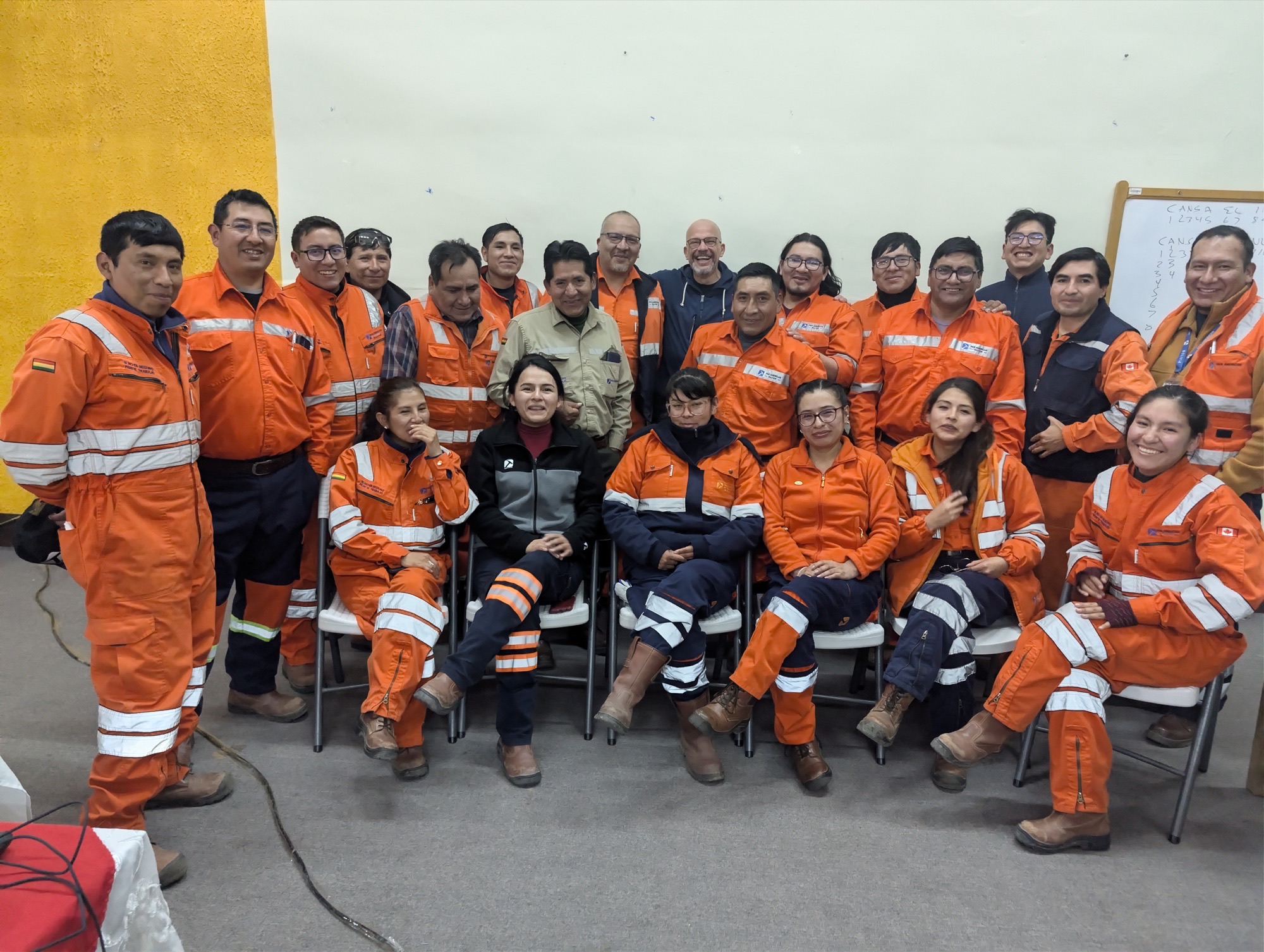
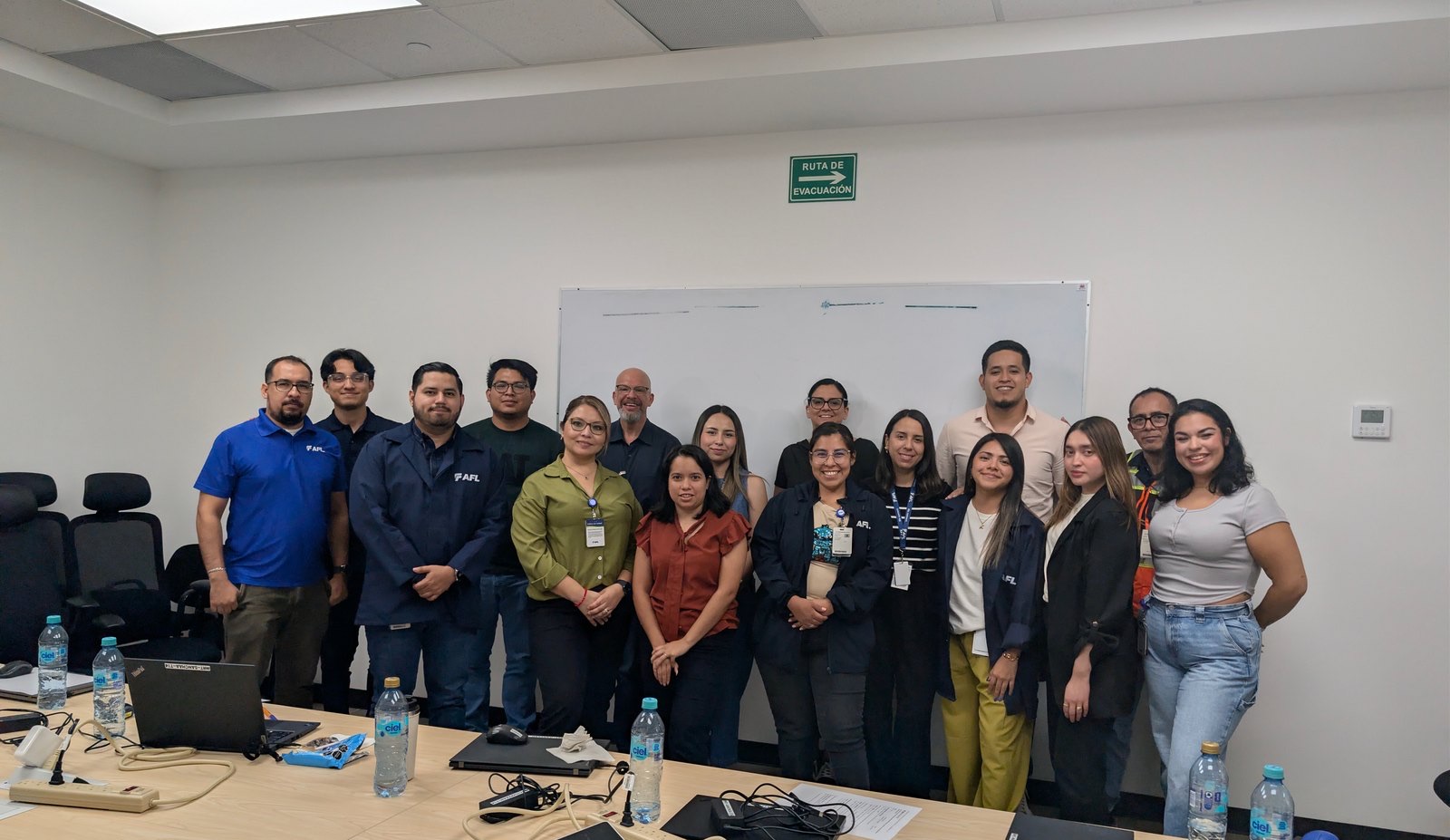
Four lenses, one practice.
Most of the operations I've walked into over 25 years had already done many of the right things. The initiatives were real, the people were capable, and something was still getting lost between the pieces.
Culture. Safety and Human and Organizational Performance. Leadership. AI integration. Not four domains, four lenses on the same work, and the newest one now runs through the other three.
Across the four lenses, human and organizational performance is the through-line: the whole person and the whole system, read together. On the technical side that means critical controls, barriers, process safety, and serious injury and fatality prevention. On the human side, culture, leadership, and coaching. In a real operation they are one problem, so I work them as one practice, and AI now helps the two sides finally talk to each other.
That means HSE leaders and operations teams in mining, oil and gas, manufacturing, utilities, and construction: embedded, in English or Spanish, until the work holds without me. And independent consultants and Spanish-speaking professionals bringing AI into their practice without losing the human work that makes them good.
And the fourth lens? When I first met AI in 2022, it felt like a party trick. Now it's woven through everything I do, and the work that matters is still entirely human.
Not ready for a call? Start here.
The AI Safety Report Framework is the prompts I use to turn field notes into a finished report. Free. The Signal comes with it: my short note on AI for safety people. Unsubscribe anytime.
Send me the framework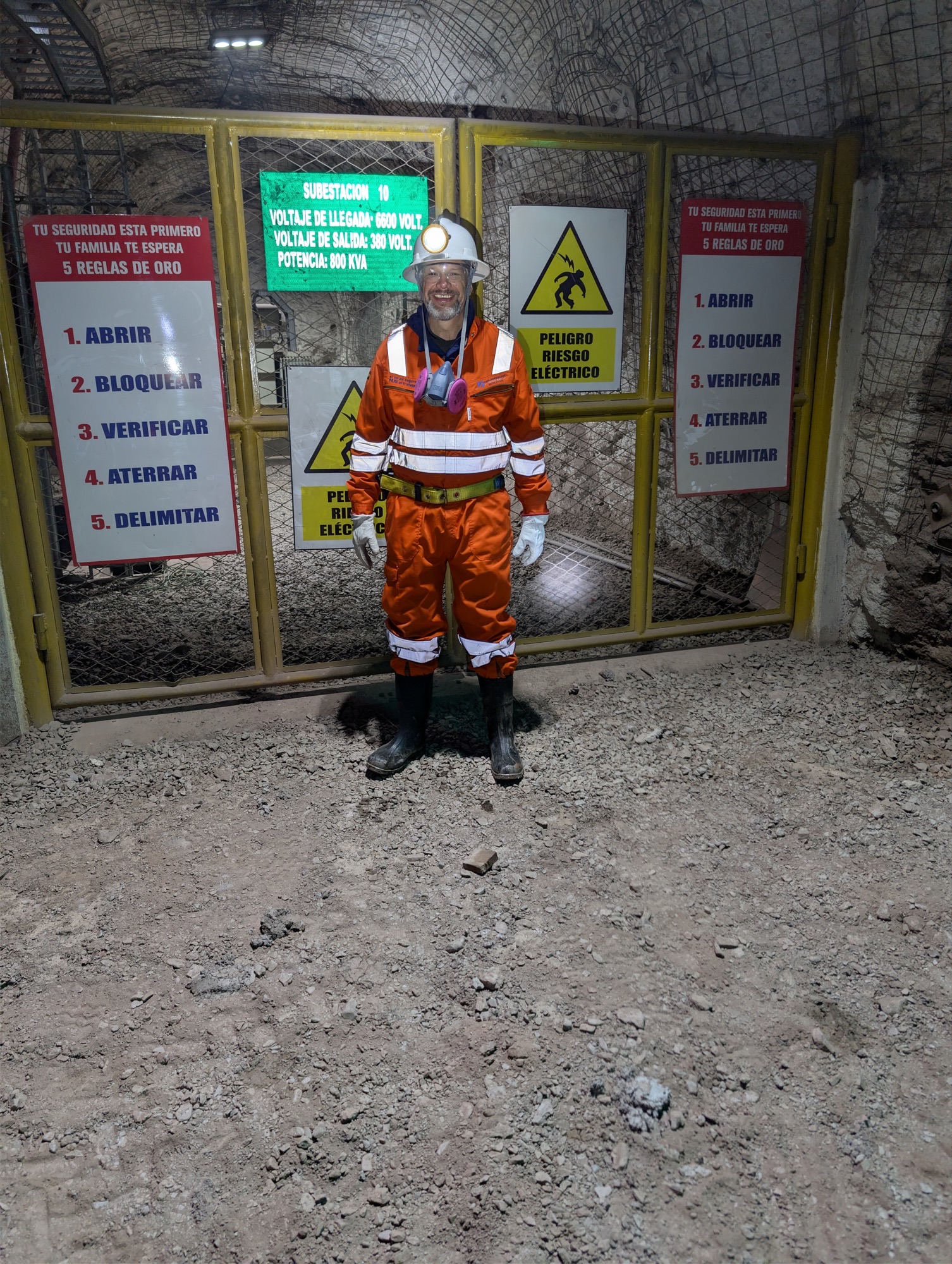
Three things I'll keep coming back to.
People before systems.
If the system doesn't match how people actually do the work, the system is the problem.
Stories before frameworks.
Stories carry logic and emotion at the same time. They stick. They create culture. I'll ask for yours before I bring out any of mine.
I'm curious. I ask questions.
The richest learning in any operation lives in the gap between work as planned and work as done. So I ask: what are people adapting around to keep things running?
In their own words.
Eduardo loves his work and is deeply steeped in the language and technology of transformational leadership. He does not carry on like a detached academic. Eduardo readily adapted his knowledge and tools to make the work relevant for everyone from front line workers to senior leaders.
- Canadian Registered Safety Professional (CRSP)
- Master's in Organizational Development and Change (Penn State)
- Appreciative Inquiry Certificate (Penn State, with Jackie Kelm)
- Mindfulness Meditation Teacher Certification (MMTCP)
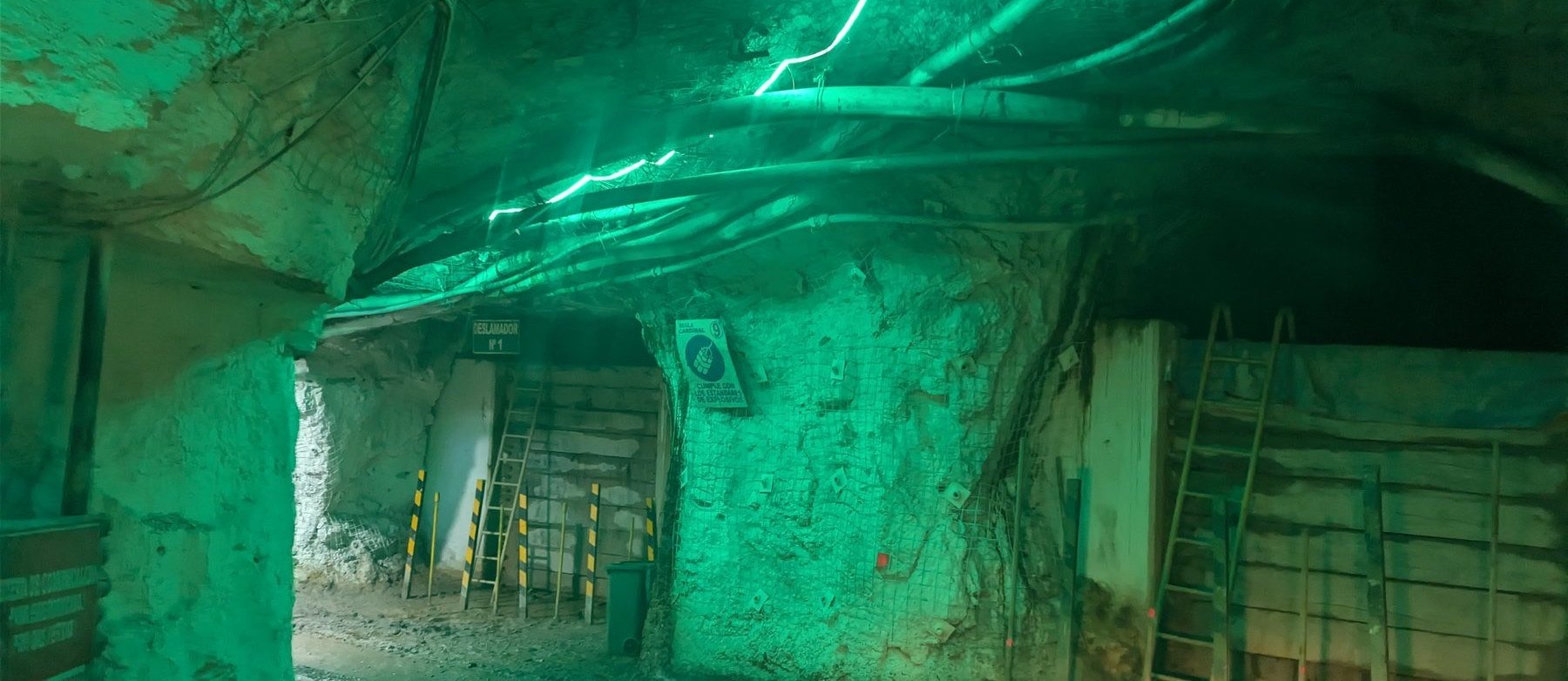
- 25+ years across oil and gas, mining, construction, utilities, manufacturing
- Toronto · Mexico City · EN / ES
Start with a question. We'll go from there.
Thirty minutes, no slide deck. We figure out together whether the work is real.
eduardolanconsulting.com/contact